
1979
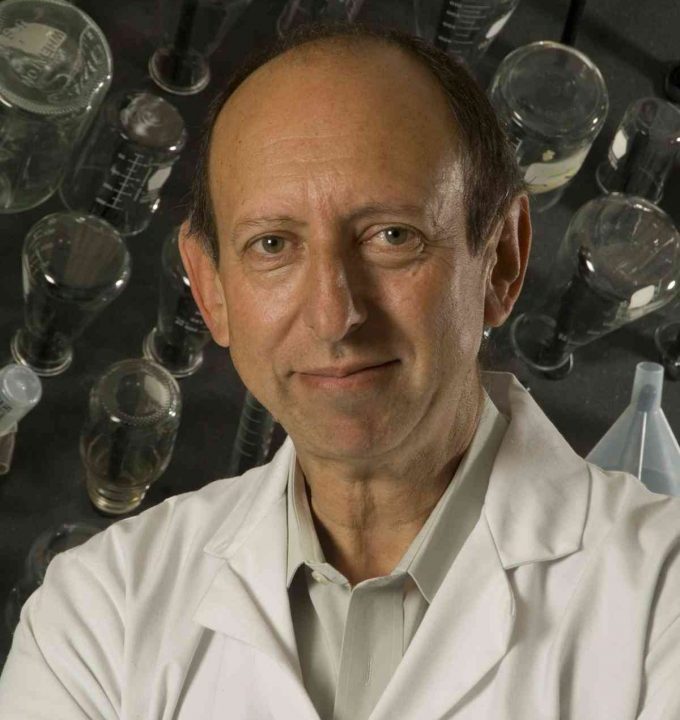
Pneumococcal pneumonia was a major killer of the elderly and chronically ill. At the time of his research, over 90 strains of pneumococci had been discovered. What Austrian did was identify those types that most frequently caused disease. His 1977 vaccine contained antigens of 14 serotypes (serotypes are distinct variations of a bacteria or virus). In 1983 he introduced an improved version of the vaccine, containing 23 serotypes, which accounted for 85% of the infections associated with pneumococcal pneumonia. All his research developing the vaccine took place at the University of Pennsylvania, where he was on the faculty since 1962. Ever seeing the need to perfect the vaccine, up to the week he died, Austrian was testing strains of pneumococci sent to him from doctors around the world.
Austrian was no stranger to infectious diseases. His father, Charles Robert Austrian, studied infectious diseases as a professor and internist at John Hopkins University. After graduating from Johns Hopkins Medical School, Austrian studied pneumococcal infections under Dr. Barry Wood. During World War II Austrian served in Fiji, treating casualties. It was at this time that he also worked on research to treat malaria. He then went to Burma to study typhus.
After the war Austrian challenged the prevailing medical wisdom that, with the introduction of penicillin and other antibiotics, pneumococcal infections had become a minimal danger to patients. While an internist and scientist at Kings County Hospital and the State University of New York in Brooklyn, Austrian, with Jerome Gold, demonstrated that pneumococcal infections often went undiscovered by standard testing, remained commonplace, and often resulted in mortality. Austrian’s contribution in fighting pneumococcal infections was thus two-fold—first proving the need for a vaccine, and then developing a vaccine that saved hundreds of thousands of lives.
Always the professional, Dr. Austrian was known to never being seen without a jacket and tie. Professor Stanley A. Plotkin wrote of Austrian: “If there is one word that summed up the man and the physician…it was elegant: elegant in person, elegant in thought, and elegant in action.”
1978
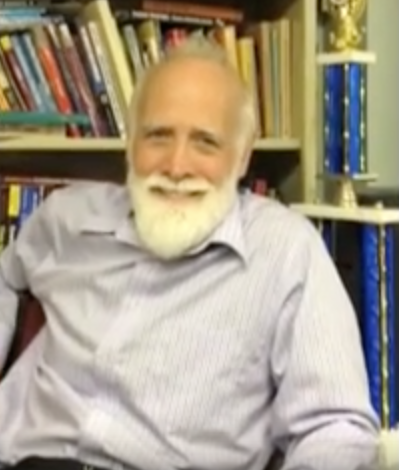
But like most devoted teachers, these men spent a good deal of their personal free time (and disposable income) coaching the teams, sponsoring trips, and mentoring the students. Chess does so much for a young person, by promoting patience, planning, and analytical thinking. These skills are especially valuable for young persons faced with seemingly limited choices and options. Moreover, studies have shown that students who play chess develop significantly higher math and reading scores (and better grades) than control groups that do not play chess. And winning builds confidence.
At the time the award was made, the chess team at Vaux Junior High, under Sherman, was preparing to go to Yugoslavia for a rematch (hoping to tie up their 0-1 loss to students from Belgrade, whom they had played via satellite). With no financial support from the Philadelphia School District, while in Belgrade the students stayed at the homes of host families. Although losing to the Yugoslavians, the Vaux team had won four city championships, three state championships, and two national championships. Shutt’s chess players were no slouches either. Founded in 1971, his team had placed nationally and many of its team members had gone on to join the Vaux team. Shutt had his young players practicing two hours a day.
By 1983 the Vaux team, dubbed in 1977 as the Bad Bishops (the Douglass team was a tamer Mighty Pawns—the inspiration for a 1987 PBS Wonderworks telemovie of the same name) and by then under another coach (Sherman left in 1979), had racked up eight national championships (seven consecutive, 1977-1983). By 1987 the Mighty Pawns had won twelve straight elementary school titles. Shutt said of competitive chess: “Turn kids on to chess, and you’ll see they love the strategizing, the scheming. Take a high-energy kid and give him a competitive thing, and he’ll stay rooted to the spot.” Shutt, who became a faculty member in the Mentally Gifted Program at the Julia Masterman School, set up a chess team at Masterman, which has traveled to tournaments in Israel and Iceland. He is a leading advocate of the advantages of competitive chess for students.
The Award Committee gave the prize to the two teachers “for demonstrating to us the nobility of teaching when we often are lost in the troubles that beset its institutions; for removing the blinders from youth so they can see the possible horizons; and for helping the rest of us to understand that all our youth have potential and deserve our encouragement and support in exercising their brain power.”
1977
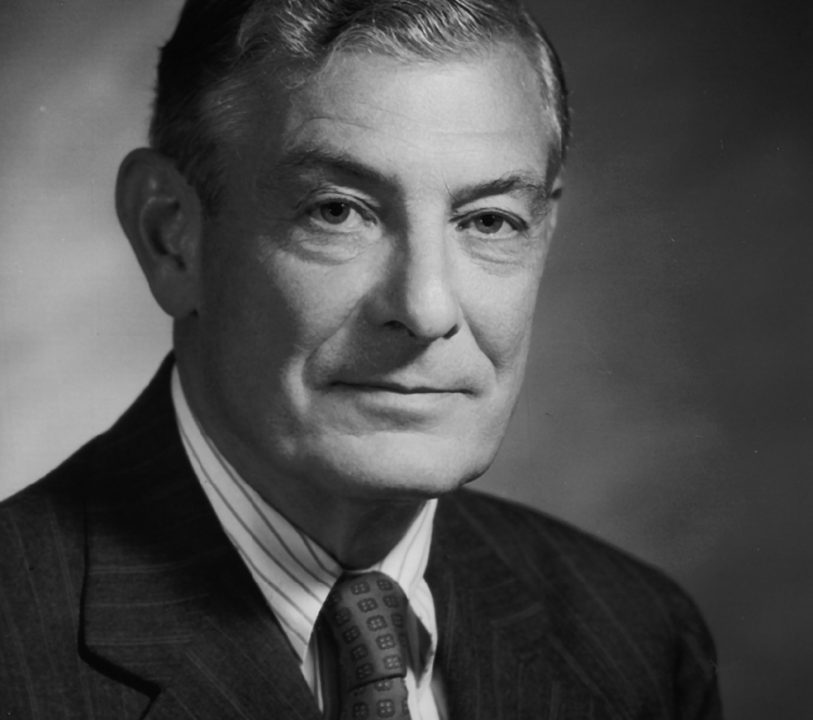
This was both a new, yet logical role for Rauch, given his past experience in civic engagement. Until that time Rauch was more likely known as the head of Philadelphia Saving Fund Society (PSFS), which he presided over as president or chairman for twenty-five years until his retirement in 1979. He was also a respected figure in the business community, who had played a vital role in the revitalization of Society Hill, the development of Penn’s Landing, and the establishment of the historic district. He was contacted by civil rights activist Cecil B. Moore, who told him that the business community had to act quickly to avert riots.
Calling itself the Good Friday Group, the group that formed was an uneasy coalition of white business leaders, black moderates, and black militants which first met in the board room of PSFS. Rauch committed $1 million from businesses to spend on projects developed by the black community focusing on job creation and social services. A determined Rauch then raised the money quickly. William Eagleson, a friend of Rauch’s and fellow banker, stated about this time: “Stew brought to the table a personal presence and integrity that engendered trust among the highly diverse people who had gathered with feelings of suspicion, anger, and even hate. It was Philadelphia’s great good fortune that he was in the right place at the right time.”
Under Rauch’s leadership, the Good Friday Group took on another morsel—literally. The Tastykake Company in the 1960s only hired African-Americans for menial positions. The Rev. Leon Sullivan (the 1965 Philadelphia Award winner and a member of the Good Friday Group), organized a boycott of that company. There were members of the business community who wanted to remove Sullivan from the Group because of this activity. Rauch not only blocked the removal effort, he also sponsored a Group vote to provide financial assistance to Sullivan for the boycott. The pro-Sullivan forces prevailed.
Rauch received the 1977 Philadelphia Award for his leadership of the business community. Judge A. Leon Higginbotham, who had chaired the meetings of the Good Friday Group, saluted Rauch for his longstanding concern and efforts to address the “unmet human needs” of the city. When presenting the award to Rauch, Higginbotham declared, “When you check the major agenda for the physical and human improvements [in the city] during the last 25 years, most often Stewart Rauch has been a key catalyst.”
Economic disparity, racial unrest: what other battles would Rauch have to tackle? The last one involved, perhaps oddly enough, his daughter Sheila. In 1979 Sheila Rauch had a much publicized marriage to the son of Robert F. Kennedy, Joseph P. Kennedy III. Yet after 12 years the marriage ended. But it didn’t just end; Joseph Kennedy sought an annulment from the Catholic Church, stating (basically) that the marriage never occurred. Kennedy succeeded in his endeavor, but not without the objections of Sheila who took her ecclesiastical appeal public and wrote a book about it: Shattered Faith. This must have been such a difficult time for Stewart Rauch and his wife Frances, who had, by all accounts, a loving 60-year marriage. As in many cases of a long, happy life together, Stewart passed away just two weeks after Frances.
1976
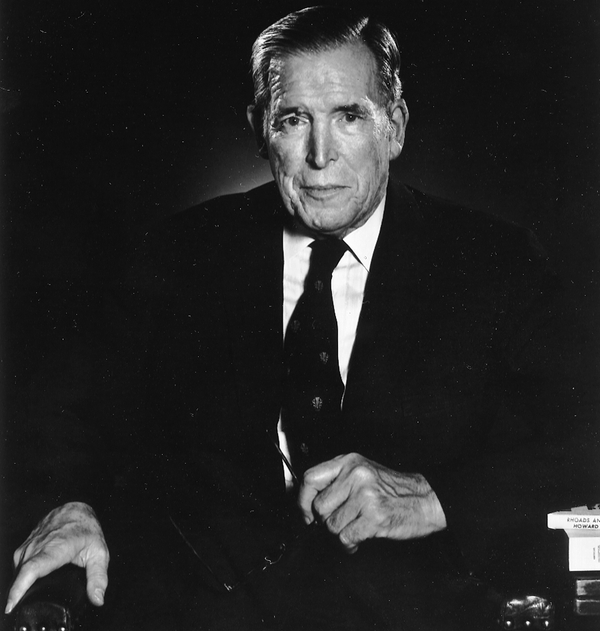
Rhoads worked for organizations that were founded by Benjamin Franklin. He was the president of the American Philosophical Society (1976-1984) and chair of the department of surgery (1959-1972) at the University of Pennsylvania, where he had been a surgeon at the university hospital since 1932. Rhoads was provost of the university (1956-1959). At various times, he served as president or chairman of virtually all of the professional organizations for surgeons. The frequency with which he was chosen for leadership positions reflected his reputation for getting things done. Rhoads credited his practice of Quaker consensus building with his success as a leader. He described his technique: “…there are two times when you can speak most effectively in a group. One is when the thing starts off, and sometimes if you then take a strong position, it doesn’t solve the controversy but it sort of directs it. The other way is to wait until the discussion is pretty well advanced and see whether you can find a solution that will reconcile enough points of view to prevail.”
It was his work in the medical field, and primary care surgery, for which he is most remembered. He was a leader of the American Cancer Society, and for twenty years was editor of its journal, Cancer. Appointed by President Richard Nixon, Rhoads chaired the National Cancer Advisory Board from 1972 until 1979. As a professor in the Medical School, Rhoads was renowned as a trainer of surgeons—eleven of his students became chairs of surgery at other medical schools.
As a researcher, Rhoads published over 400 scientific articles in his career. His research focused on problems of nutrition among hospital patients. He began experimentation on this subject during the 1930s, worked on it for decades with colleagues, leading to the invention in 1966, with Dr. Stanley Dudrick, of the practice of intravenous hyperalimentation. This technique involved the puncture of the subclavian vein and enabled feeding of patients who could not tolerate standard intravenous feeding. This major medical breakthrough saved the lives of thousands of patients who were unable to eat.
His work ethic was astounding. He technically never retired. Well into his nineties Rhoads was attending meetings, giving lectures, and writing. Two weeks before his death he was in his office tending to business. His biographers Donna Muldoon and John Rombeau give an example of his fortitude: on a particular day in 1996 Rhoads attended a 7:00 a.m. medical conference at Penn; later that morning he was in Center City attending another meeting; by noon he was at the American Philosophical Society; at 4:00 he was back at Penn for another lecture and dinner. The next day he flew off to Rome for a joint meeting of the APS and the Academia Nazionale dei Lincei. Later he attended a reception at the American Embassy and had an audience with the Pope. The next day he and his wife flew to Sicily to go sightseeing. This was when he was 89.
1975
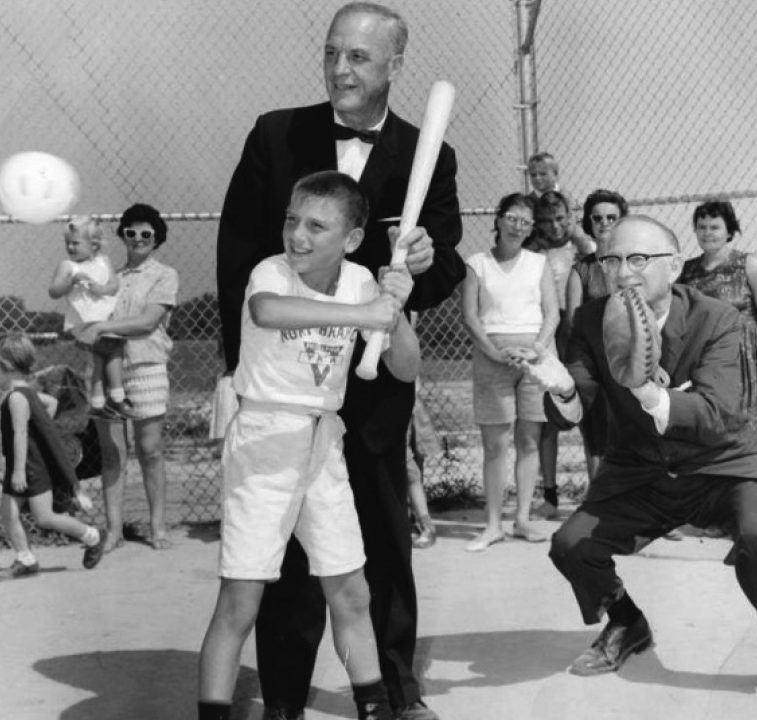
During his tenure Crawford increased the number of Philadelphia’s recreational areas from 94 to 815, including 84 pools, 47 recreation centers, and nearly 400 parks and playgrounds.
When he retired in 1981, Mayor Bill Green said “I will tell you now who will take his place. Nobody, because nobody can.”
A recognized leader in his field, he served as president of the National Recreation and Park Association and co-founder and executive director of the National Recreation Foundation—the latter now awards an annual Robert W. Crawford Achievement Prize to individuals who make an extraordinary contribution to recreational activities for at-risk youth.
1975
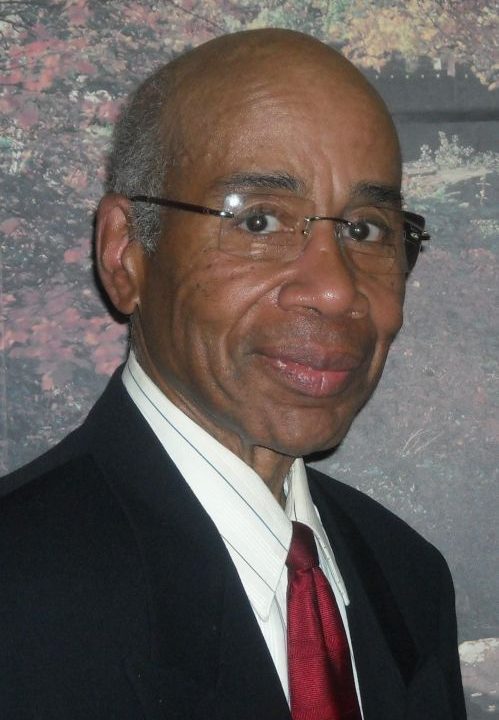
He went on to found the Dental First Corporation, which is now run by his daughter, Dr. Renee Fennell Dempsey. Besides his work in dentistry, Fennell was a social activist. He founded Interested Negroes Incorporated, an organization of volunteers providing career counseling to junior high students. From 1967 until 1982 this organization served over 1500 children per year.
In his later life, he has had to deal with the effects of Lupus. In his autobiography, Reflections of a Closet Christian: A Basic Primer for Life, he writes: “I am a separate and unique individual like no other that God has created.
I feel that I am the culmination of the genes of all my fore-parents arranged in a specific pattern. Every person born can make claim to the same thing, so I’m not so special.” But what Dr. Fennell did with his life was indeed special.
1975
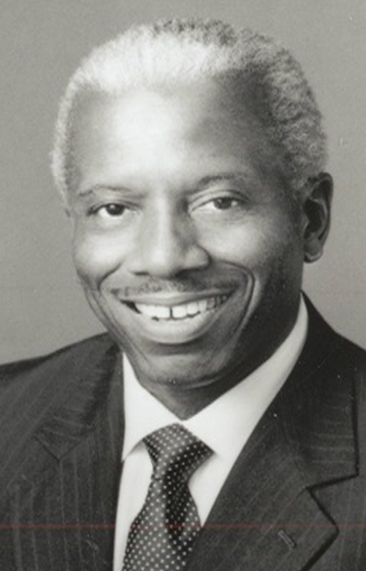
This former gang member, turned gang-patrol cop, turned gang-ministering crusader, acquired a reputation for fearlessness when confronting gang members and drug dealers. After a life as a troubled youth, Floyd reformed his ways, eventually joining the Philadelphia police force, specializing in juvenile aid, community relations, narcotics, gang control, human relations and the morals squad.
A thirteen-year police veteran, Floyd left the force to found the Agape Christian Chapel in Germantown in 1972. Most Philadelphians did not know the church, but they knew its van, outfitted with a stuffed torso sitting up in a coffin with the message: “Take Dope and End up a Dummy.”
Floyd is a relentless crusader (again literally—he founded Neighborhood Crusades, Inc.) against drug dealing, absentee fathers, street crime, and, of course, gangs. He has produced and directed films and commercials depicting the horrors of drug addiction and gang violence.
Floyd has received numerous awards, including Philadelphia Outstanding Policeman (1968), Philadelphia Tribune Humanitarian Award (1971), and Prince Hall Grand Lodge Free and Accepted Masons’ Man of the Year (1977).
1975
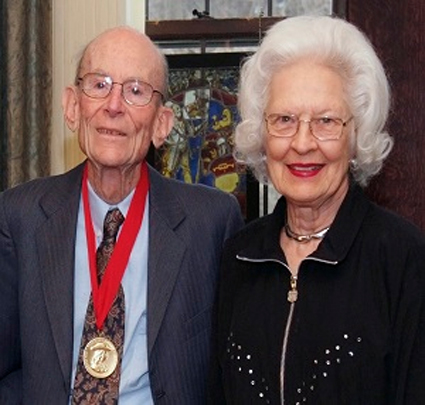
Haas steered the Balch Institute to provide educational programs which would promote better intergroup understanding, particularly in Philadelphia. He was an active supporter of the United Way of America and chair of the Boys and Girls Clubs of Philadelphia.
In 2006 Haas and his wife established the Stoneleigh Foundation to serve the needs of vulnerable and underserved children and youth. Besides supporting the Balch and HSP, Haas was instrumental in establishing the Chemical Heritage Foundation (a research center for the history of chemistry) in 1982.
Haas and his wife both received the 2009 Founder’s Award from the Historical Society of Pennsylvania.
1975
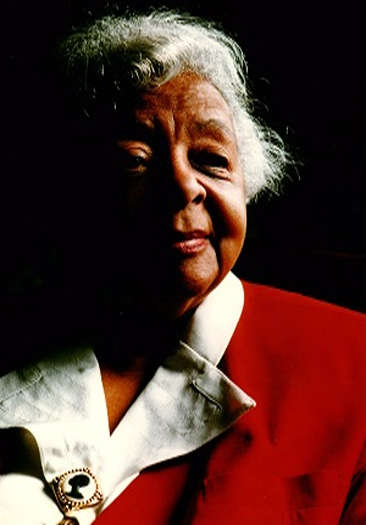

Adecade later, Hayre returned and was hired as the city’s second African-American junior high school teacher. Hayre went on to be the city’s first African-American high school teacher, first African-American principal, first female African-American district superintendent, and first female president of the board of education
She received her bachelor, master and doctorate degrees, all from the University of Pennsylvania. As a principal Hayre established WINGS (Work Inspired Now Gains Strength), a program which encouraged students to discover their talents through college preparatory classes and diverse cultural experiences. After retiring from the school district she turned to philanthropy.
Inspired by millionaire Eugene Lang’s venture providing college education for at-risk youth, Hayre started and personally financed the Tell Them We Are Rising Fund at Temple University. This fund “adopted” 119 middle school students from North Philadelphia and guaranteed their post-secondary school tuition if they graduated from high school.
Nearly half of this cohort went on to two or four-year colleges or technical school. Hayre, wrote, together with Alexis Moore, her autobiography, Tell Them We Are Rising: A Memoir of Faith in Education (1997).